
Introduction to MCV Blood Test
An MCV blood test, or Mean Corpuscular Volume test, is a key diagnostic tool for assessing conditions related to red blood cell disorders. It calculates the average size of your red blood cells, forming an essential part of a complete blood count (CBC).
What is an MCV Blood Test Used For?
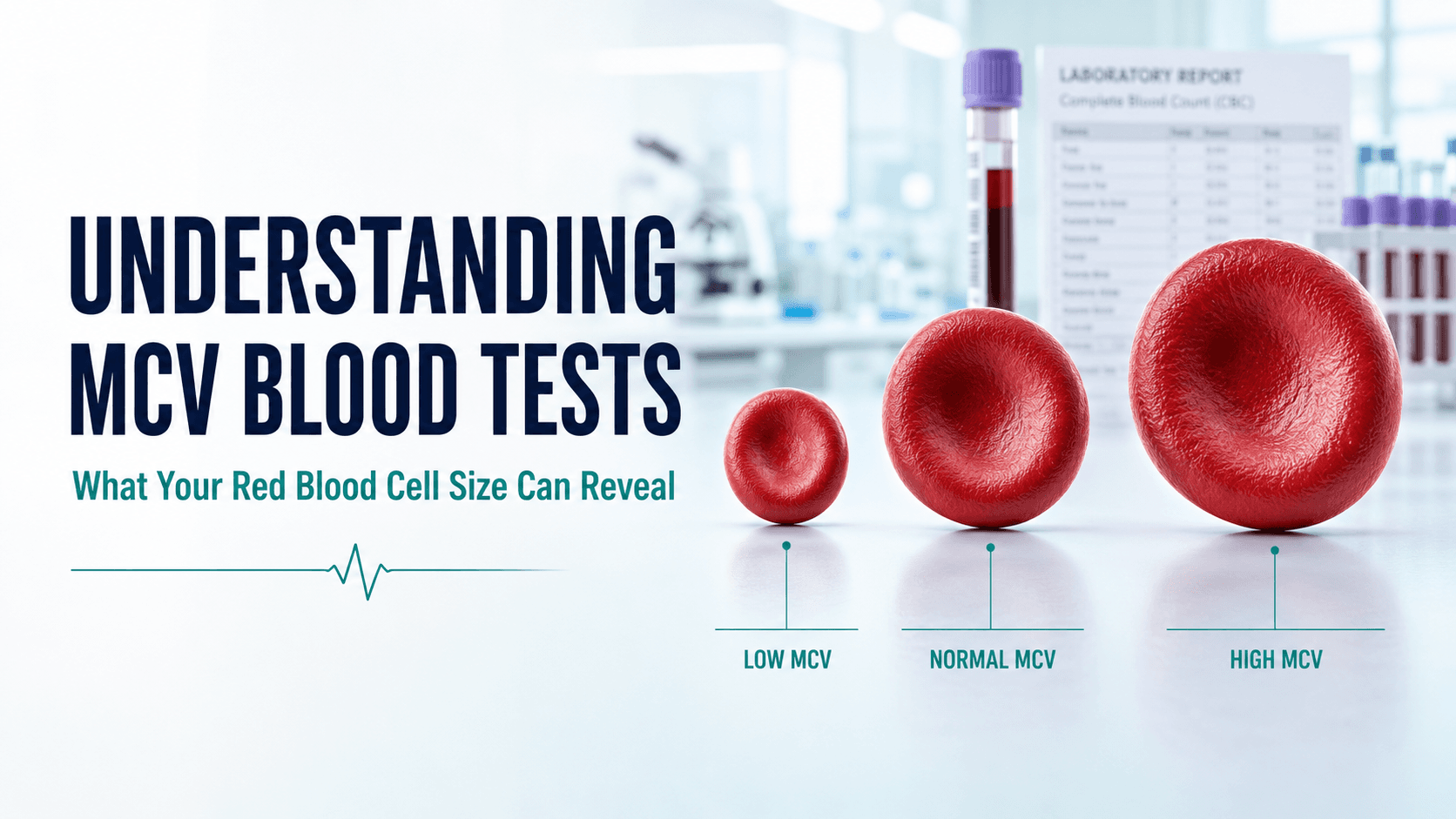
The MCV blood test helps determine if red blood cells are too large (macrocytic), normal (normocytic), or too small (microcytic). This measurement is pivotal in diagnosing anaemia, vitamin deficiencies, and other red blood cell issues.
Understanding MCV Results
How Accurate are MCV Blood Tests?
MCV blood tests are generally regarded as reliable, providing crucial data about red blood cell size and volume. Interpretation by a healthcare professional is vital, as individual circumstances can affect results.
- High MCV: May suggest macrocytic anaemias due to vitamin B12 or folate deficiencies, hypothyroidism, or liver disease.
- Low MCV: Often indicative of microcytic anaemias, commonly due to iron deficiency or thalassaemia.
Report Presentation: MCV values are expressed in femtolitres (fL) and are part of a full blood count report, analysed by a healthcare provider.
Importance of MCV Levels
Is a High MCV Serious?
Elevated MCV levels might indicate macrocytic anaemia, characterised by the presence of large red blood cells. This can affect oxygen distribution and lead to health complications, often stemming from dietary deficiencies or conditions like liver disease.
Normal MCV Range
Who Typically Needs an MCV Test?
Normal Range: For adults, the typical MCV range is 77-95 femtolitres (fL). Variations from this range necessitate further investigation.
Tests are typically ordered during routine examinations or if symptoms hint at blood disorders.
Dietary Influences on MCV Levels
How Does Diet Affect MCV Levels?
Nutritional intake, particularly of vitamin B12, folate, and iron, profoundly impacts MCV levels. Deficiencies in B12 and folate can increase MCV, while iron deficiency can lower it. A balanced diet rich in these nutrients is crucial for maintaining healthy red blood cell size.
Foods Rich in B12 and Folate:
- B12: Dairy, eggs, fish, and fortified cereals.
- Folate: Leafy greens, fruits, nuts, and legumes.
Excessive alcohol consumption and specific medications may also elevate MCV levels.
Getting Tested: Step-by-Step Guide
Where Can I Get a Private MCV Blood Test in the UK?
The private testing process for MCV involves:
- Consultation: Initial advice from a healthcare professional to discuss the need for the test.
- Sample Collection: Blood sample drawn at a clinic.
- Analysis and Reporting: Professional analysis with secure result delivery.
Private testing often allows for quicker results and personalised service to suit individual needs.
Interpreting MCV Results
Making Sense of Your Results
Interpreting MCV results doesn't have to be complex. Here's a simple guide:
- High MCV: Suggests possible vitamin B12 or folate deficiency.
- Low MCV: Indicates potential iron deficiency or thalassaemia.
Understanding these outcomes can guide dietary adjustments or further testing.
Consulting with Pharmacists
How Can Pharmacists Assist?
Pharmacists are pivotal in explaining MCV test results and advising on next steps. They ensure patients understand their health data and the dietary implications.
For expert advice, contact The Chemist Live.
Alternatives and Comparisons
Other Tests That Provide Similar Insights
When needed, other tests such as complete blood counts (CBCs), iron studies, or B12 and folate tests can offer additional insights.
Comparison Table:
Test Type | Focus | Typical Use Cases |
|---|---|---|
MCV test | Red blood cell size | Anaemia, nutritional deficiencies |
CBC | Overall blood health | General health assessment |
Iron Studies | Iron levels | Diagnosing iron deficiency |
B12/Folate Test | Vitamin levels | Evaluating nutritional deficiencies |
Practical Tips
- Maintain a balanced diet rich in iron, B12, and folate.
- Limit alcohol consumption, given its effect on MCV levels.
- Regular testing as recommended by healthcare providers.
FAQs
What is an MCV blood test used for?
An MCV blood test measures the average size of red blood cells, crucial in diagnosing conditions like anaemia.
How accurate are MCV blood tests?
MCV tests are reliable when conducted and interpreted correctly.
Is a high MCV serious?
High MCV levels could indicate macrocytic anaemia, warranting further investigation.
Who typically needs an MCV test?
Often part of routine health checks or when anaemia symptoms present.
How does diet affect MCV levels?
Vitamin B12 and folate deficiencies increase MCV; iron deficiency decreases it.
Where can I get a private MCV blood test in the UK?
Available at The Chemist Live.
How do MCV results affect treatment plans?
Results guide diagnosis and treatment plans based on anaemia type or deficiency.
How frequently should I monitor my MCV levels?
Monitoring frequency depends on your health status; consult professionals for advice.
Conclusion
Understanding MCV levels is crucial for diagnosing red blood cell disorders. Opting for private testing at The Chemist Live can provide prompt and detailed insights. For expert guidance, consult with our pharmacists or schedule a test today.
Book your slot now for comprehensive blood health insights and professional guidance.