
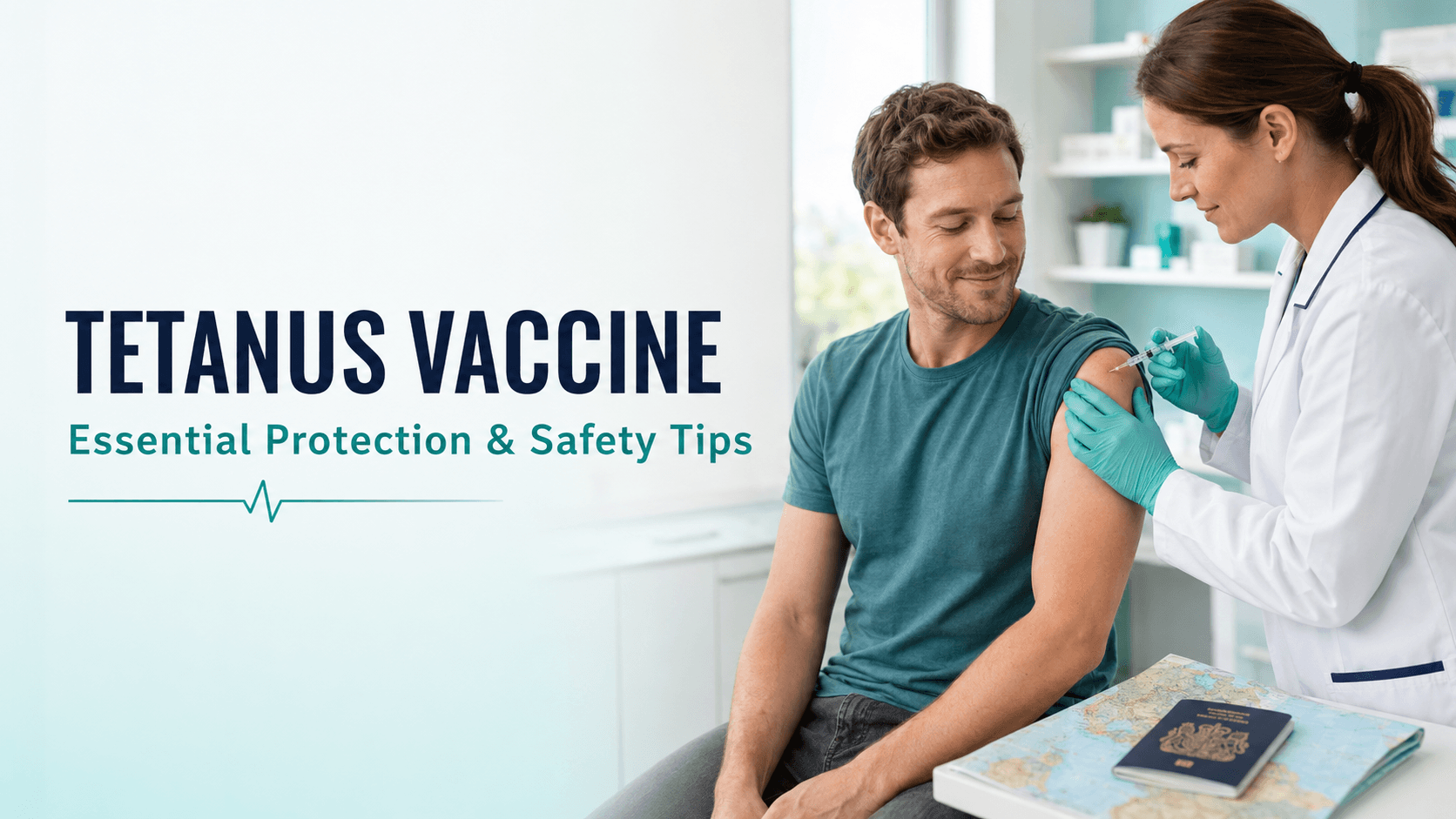
Introduction to the Tetanus Vaccine
A tetanus vaccine is an immunisation designed to prevent tetanus, a serious disease caused by a bacterial toxin affecting the nervous system. It's vital for individual and public health, especially for international travellers.
Understanding Tetanus and Its Risks
Tetanus arises from the bacterium Clostridium tetani, commonly found in soil, dust, and manure. The bacteria enter through cuts or wounds, releasing a toxin causing painful muscle stiffness and spasms. For travellers, particularly in areas with less developed medical facilities, the risk can be higher, making vaccination essential.
Who Needs a Tetanus Booster?
Who Should Get a Tetanus Booster and When?
The tetanus booster is recommended every 10 years to maintain immunity. It's especially advised for frequent travellers and those going to regions with limited medical facilities. Hikers, campers, and individuals in occupations like farming or construction, due to higher exposure to potential injuries, should also consider regular boosters.
Duration of Tetanus Vaccine Protection
How Long is the Tetanus Vaccine Effective?
The tetanus vaccine's effectiveness lasts about 10 years. After completing the initial series of five doses, a decade-interval booster ensures continued protection. If a booster is missed, consult a pharmacist for guidance on when to resume or catch up with your immunisation schedule.
Boosters After Injuries
For minor wounds with high contamination risks, an immediate booster may be needed if it’s been over five years since the last dose.
Tetanus, Diphtheria, and Polio Combination Vaccines
Why is the Tetanus Vaccine Combined with Diphtheria and Polio?
Combination vaccines like the Td/IPV (Tetanus, Diphtheria, and Polio) offer protection against multiple diseases with a single injection, aiding compliance by reducing the number of required shots.
Travel Considerations: Do You Need a Booster?
Do I Need a Tetanus Booster for Travel?
Before travelling, confirm your vaccinations are current. Exposure risks vary by region; countries in Africa, South Asia, and South America may pose higher risks. It’s advisable to schedule vaccination at least a month before travelling for full immunity.
Requirements differ from one destination to the next, so it is worth checking your specific country before you book. The National Travel Health Network and Centre (NaTHNaC) publishes an up to date page for every country on TravelHealthPro, which sets out which vaccinations are recommended or required for that destination. If you are unsure how the guidance applies to you, bring it to your appointment and a pharmacist will go through it with you.
Book your slot now for travel vaccinations at The Chemist Live.
Handling Injuries Abroad: Tetanus Concerns
What Should I Do If I Get a Cut while Abroad?
- Clean the Wound: Use clean water and antiseptic if available.
- Assess the Situation: Consider the contamination level and your vaccination status.
- Seek Local Medical Attention: A booster may be needed if your last one was over five years ago.
- Carry a First-Aid Kit: Always have a kit and keep your vaccination record handy.
Cost and Accessibility of Tetanus Boosters in the UK
Where Can I Get a Tetanus Booster Privately in the UK?
Private clinics offer tetanus boosters with flexible scheduling. Costs can vary but expect to pay around £30 to £50 per dose. Private services typically offer quicker appointments, beneficial for urgent travel plans.
The Chemist Live runs a private travel clinic in Whitefield, Manchester, offering the tetanus, diphtheria and polio booster. You can see the current price for every vaccine we offer, along with what your appointment involves, on our travel vaccinations page.
Side Effects and Safety of Tetanus Vaccines
Are There Side Effects from the Tetanus Vaccine?
The tetanus vaccine is generally well tolerated. Common side effects include mild fever, soreness at the injection site, and fatigue. Serious side effects are rare but monitoring any unusual reactions is recommended (MHRA).
Who Should Avoid the Tetanus Vaccine?
Who Should Avoid Getting the Tetanus Vaccine?
Individuals with severe allergic reactions to previous doses or specific vaccine components should avoid it. Those with a high fever or acute illness should delay vaccination until recovery. If you have underlying health issues, consult a pharmacist at The Chemist Live to discuss potential risks.
Alternatives to Tetanus Vaccination
How Does the Tetanus Booster Compare with Other Vaccine Options?
While vaccination is the most reliable protection, practice good wound hygiene to mitigate risks. Here's a comparison of options:
Vaccine Type | Protection Coverage | Frequency Required | Availability | Cost (est.) |
|---|---|---|---|---|
Tetanus Booster | Tetanus | Every 10 years | Widely available | £30-£50 |
Tetanus-Diphtheria | Tetanus, Diphtheria | Every 10 years | Widely available | £30-£60 |
Td/IPV Combination | Tetanus, Diphtheria, Polio | Every 10 years | Widely available | £40-£70 |
Practical Tips for Tetanus Vaccination
- Check Your Destination: Look up your country on TravelHealthPro to see what is recommended or required there.
- Check Your Schedule: Ensure booster timing suits your travel plans.
- Record Keeping: Maintain vaccination records accurately.
- Consult with Experts: Reach out to pharmacists for timely advice.
- Travel Preparedness: Carry your first aid kit and keep track of booster requirements.
- Educate Caregivers: Ensure they understand the importance of staying updated with vaccinations.
Expanded Frequently Asked Questions
How Often Should I Receive a Tetanus Booster?
A booster every 10 years ensures protection, particularly if you work in high-risk fields or travel frequently.
Can I Travel Immediately After Getting a Tetanus Booster?
Yes, but it's best to have it a few weeks ahead to ensure full immunity.
What Should I Do if I Miss a Booster?
Consult with a pharmacist about your next booster to maintain protection.
Is the Tetanus Vaccine Important for Children?
Absolutely. Children need to follow the immunisation schedule to protect during growth and frequent outdoor activities.
Can Pregnant Women Receive a Tetanus Booster?
Yes, it's recommended, especially near birth, to protect mother and baby.
Are There Any Long-Term Effects of the Tetanus Vaccine?
Long-term effects are rare. Keeping vaccination records up to date ensures continued protection.
What Are the Symptoms of a Tetanus Infection?
Symptoms include jaw cramping, muscle spasms, stiffness, trouble swallowing, and seizures. Immediate vaccination helps prevent these severe issues.
In conclusion, staying updated on your tetanus vaccinations is crucial, especially when planning travel. Scheduling a booster through services like The Chemist Live can make this process seamless and help keep your adventures safe. Book your slot now for your travel health consultation and vaccinations.