In the UK, an HbA1c result below 42 mmol/mol (6.0%) is in the normal range (Diabetes UK). A result of 42 to 47 mmol/mol (6.0% to 6.4%) is higher than normal and is often called prediabetes (NICE). A result of 48 mmol/mol (6.5%) or above is in the range used to diagnose type 2 diabetes, but a single result isn't a diagnosis by itself (NICE CKS).
This guide explains what HbA1c levels mean, how mmol/mol compares with a percentage, what can affect your result and what to do next. It also explains how to have an HbA1c test at our Whitefield clinic.
HbA1c normal range at a glance
HbA1c (mmol/mol) | HbA1c (%) | What it means for adults |
|---|---|---|
Below 42 | Below 6.0% | Normal range |
42 to 47 | 6.0% to 6.4% | Higher than normal (the prediabetes range): a high risk of type 2 diabetes |
48 or above | 6.5% or above | In the diabetes range: a doctor makes the diagnosis, usually after a repeat test |
These are the figures used in NICE guidance and by Diabetes UK. Your report may also show a reference range set by the laboratory, so read your result alongside it.
What is HbA1c?
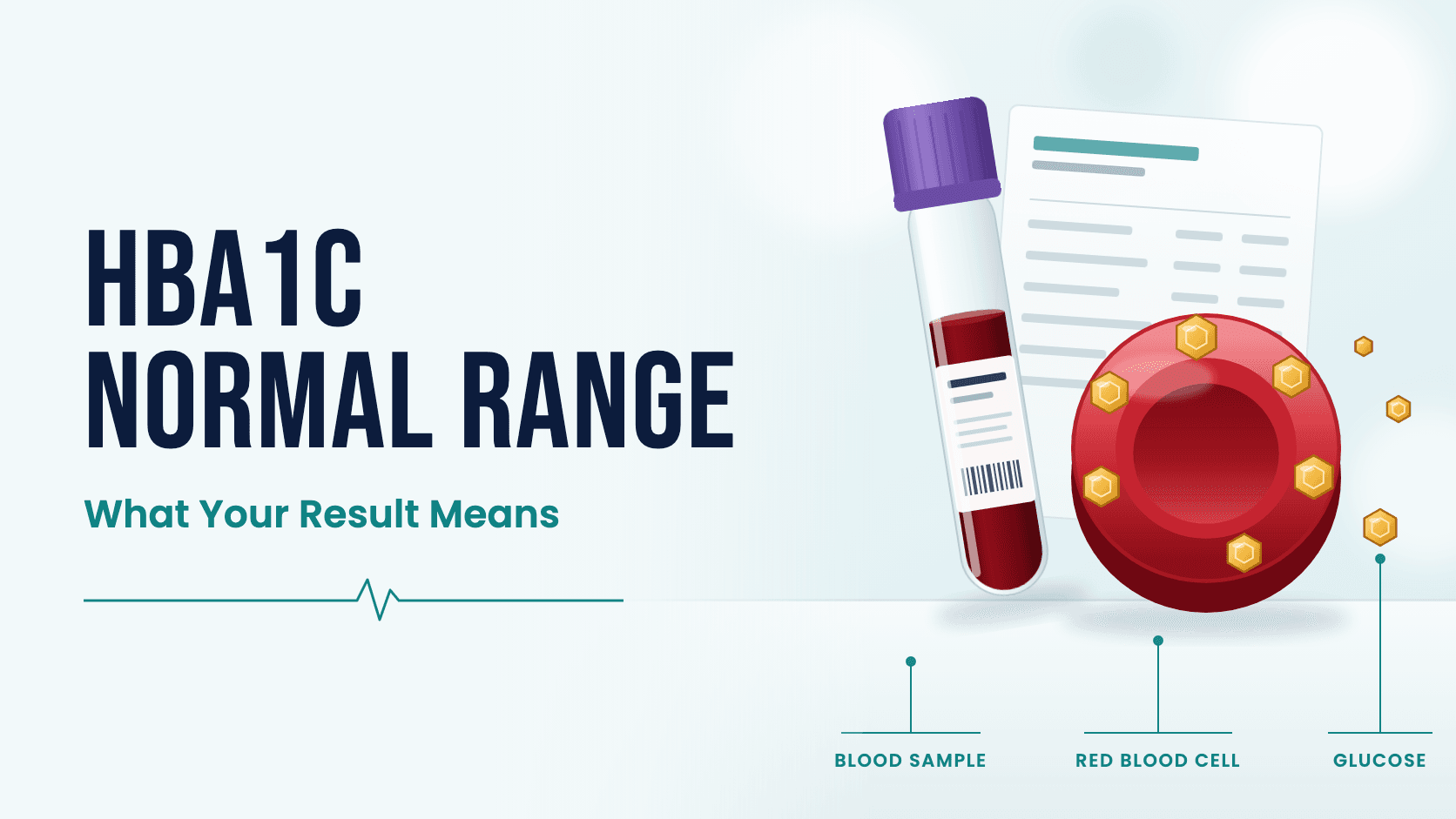
HbA1c stands for glycated haemoglobin. Haemoglobin is the protein in your red blood cells that carries oxygen. Glucose (sugar) in your blood attaches to haemoglobin, and the HbA1c test measures how much of your haemoglobin has glucose attached.
Red blood cells are active for around two to three months, so HbA1c reflects your average blood glucose over that time (Diabetes UK). A finger-prick glucose reading is different: it shows your blood sugar at the moment it's taken.
In the UK, HbA1c is reported in millimoles per mole (mmol/mol). Diabetes UK explains that this has been the standard unit since 2009. Before that, a percentage was used, which is why you'll still see both.
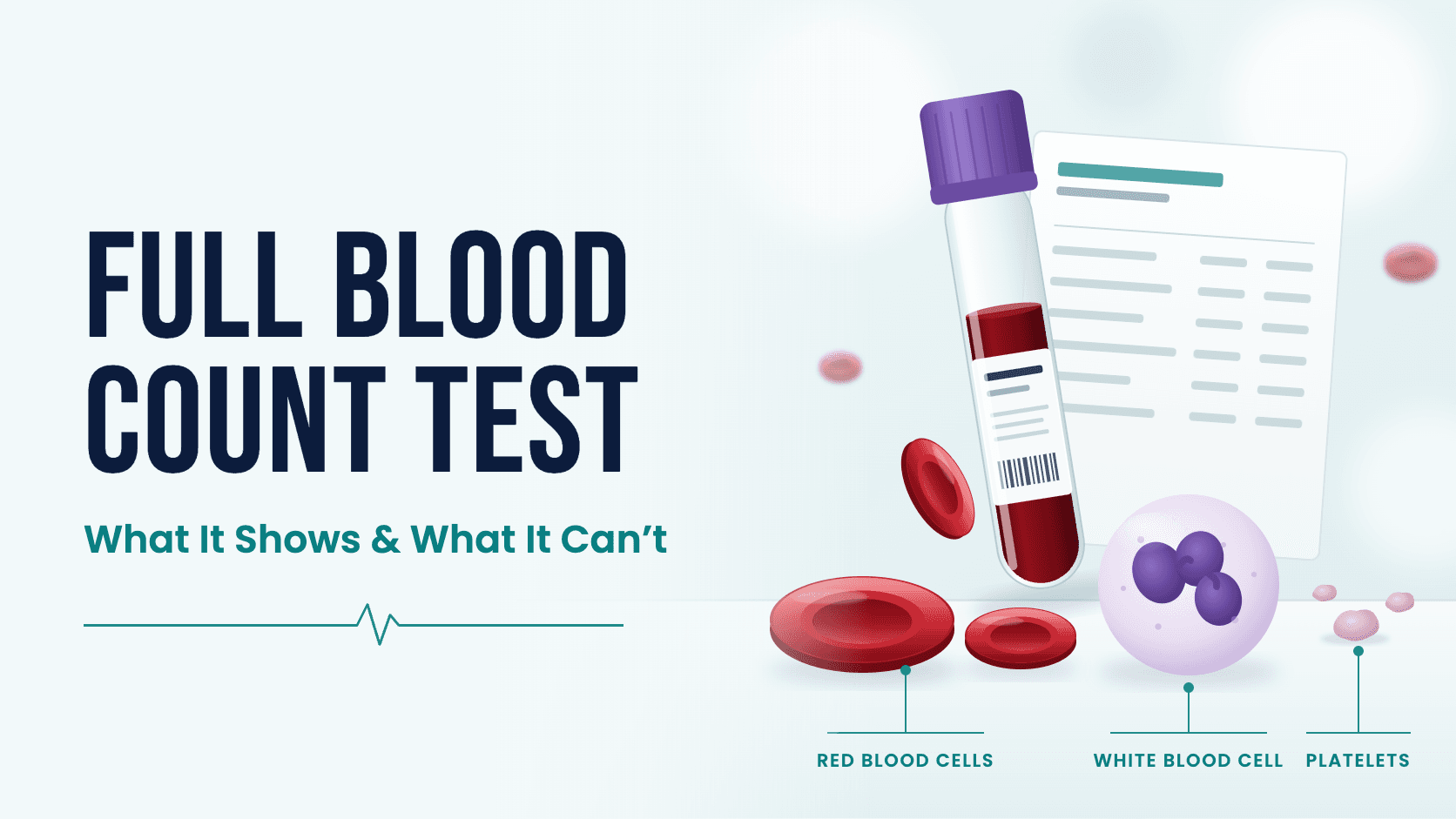
HbA1c is also different from a full blood count, which doesn't measure blood sugar. Our guide to what a full blood count shows explains what that test checks.
What your HbA1c level means
Below 42 mmol/mol (6.0%)
This is the normal range. It means your average blood glucose over the past few months hasn't been raised.
A normal result doesn't rule out type 2 diabetes in the future, though. If you have risk factors, such as high blood pressure or a history of diabetes in pregnancy, your GP may suggest checking again later. If a risk assessment shows you're at high risk but your HbA1c is below 42 mmol/mol, NICE recommends being reassessed at least every 3 years (NICE).
42 to 47 mmol/mol (6.0% to 6.4%): prediabetes
A result in this range means your blood glucose is higher than it should be, but not high enough for type 2 diabetes. It's often called prediabetes or borderline diabetes, and doctors may call it non-diabetic hyperglycaemia (NICE). NICE describes it as a high risk of type 2 diabetes (NICE).
There aren't usually any symptoms, so many people only find out from a blood test (Diabetes UK).
A result in this range doesn't necessarily mean you'll go on to develop type 2 diabetes, and the risk can be reduced (NICE). Diabetes UK says that making healthy changes can often prevent type 2 diabetes, and can even reverse prediabetes and bring blood sugar back to a normal level (Diabetes UK).
What to do next:
- Tell your GP. NICE recommends that people in this range are offered a blood test at least once a year (NICE).
- Ask about the Healthier You programme. In England, your GP practice may be able to refer you to the Healthier You NHS Diabetes Prevention Programme. It's a nine-month lifestyle programme, available face to face or digitally. NHS England says it cuts the risk of type 2 diabetes by more than a third for people who complete it (NHS England).
- Look at everyday changes. NICE's advice for people at high risk includes eating more healthily, being more physically active and, if you're overweight, gradually losing weight (NICE). If you've been trying to lose weight without much success, our guide to why you might not be losing weight explains some common reasons.
48 mmol/mol (6.5%) or above
This is the level at which type 2 diabetes is diagnosed in adults (NICE CKS). But the diagnosis is made by a doctor, not by the number alone.
If you don't have symptoms, guidance says diabetes shouldn't be diagnosed from one abnormal result. A doctor will arrange a repeat test, preferably the same type of test, to confirm it. If you do have symptoms, one result can be enough, although a repeat test is still sensible (NICE CKS).
If your result is 48 mmol/mol or above, contact your GP practice so they can arrange the next steps. If you feel unwell, don't wait: see "When to get medical help" below.
Is there a normal HbA1c range by age?
No. The thresholds in NICE guidance aren't split by age: the same figures apply to all adults.
HbA1c isn't used to diagnose diabetes in children and young people under 18 (NICE CKS).
Age does matter in one situation. If you already have diabetes, your HbA1c target is agreed with you individually. It may be relaxed for people who are older or frailer, for example if a low blood sugar could make a fall more likely (NICE).
HbA1c targets if you have diabetes
If you've been diagnosed with type 2 diabetes, your HbA1c target is something you agree with your diabetes team. NICE guidance suggests aiming for:
- 48 mmol/mol (6.5%) if your diabetes is managed with diet and lifestyle, or with a medicine that isn't associated with low blood sugar (hypos);
- 53 mmol/mol (7.0%) if you take a medicine that's associated with hypos (NICE).
NICE recommends checking HbA1c every 3 to 6 months until it's stable, then every 6 months (NICE). Diabetes UK says you're entitled to the test at least once a year (Diabetes UK).
If you have diabetes, don't change or stop any medicine because of a single result. Talk to your diabetes team first.
HbA1c conversion: mmol/mol to a percentage
Older results, and some websites from outside the UK, show HbA1c as a percentage. These are the equivalents that NICE uses (NICE PH38; NICE NG28):
mmol/mol | % |
|---|---|
42 | 6.0% |
47 | 6.4% |
48 | 6.5% |
53 | 7.0% |
58 | 7.5% |
Do you need to fast for an HbA1c test?
No, you don't need to fast before an HbA1c test (SIGN, Healthcare Improvement Scotland).
If you're having other blood tests at the same appointment, check whether any of them need you to fast.
What can affect an HbA1c result?
HbA1c depends on your red blood cells, so anything that changes them can make the result less reliable. NICE guidance says it should be read with caution if you have (NICE CKS):
- an abnormal type of haemoglobin, including sickle cell trait;
- severe anaemia;
- a change in how long your red blood cells survive, for example after your spleen has been removed;
- a recent blood transfusion.
The same guidance notes that in Black people, including those who may have sickle cell trait without knowing it, an HbA1c result may underestimate past blood glucose, so further checks may be needed.
HbA1c also isn't used to diagnose diabetes in some situations, including (NICE CKS):
- during pregnancy or within 2 months of giving birth;
- if symptoms of diabetes started less than 2 months ago;
- if you're at high risk of diabetes and acutely ill;
- if you take a medicine that can raise blood sugar, such as long-term steroids;
- if you have end-stage kidney disease, or pancreatic damage, including pancreatic surgery.
In these situations, a doctor may use a different test, such as a fasting blood glucose test. If any of these apply to you, mention it before you're tested.
Who might think about having their HbA1c checked?
NICE says certain conditions increase the risk of type 2 diabetes. They include, but aren't limited to, heart and circulation disease, high blood pressure, obesity, stroke, polycystic ovary syndrome, a history of diabetes in pregnancy and mental health conditions. NICE also recommends considering a blood test for people aged 25 and over of South Asian or Chinese descent with a BMI above 23 (NICE).
In England, if you're aged 40 to 74 and don't have an existing health condition, you can ask your GP surgery about a free NHS Health Check. It may show whether you're at higher risk of health problems such as diabetes (NHS). NHS England's diabetes prevention page explains other ways to find out your risk.
Some people choose a private HbA1c test, for example to check their level between GP appointments or for their own information.
Having an HbA1c test at The Chemist Live
We offer an HbA1c blood test at our Whitefield clinic for £45.
- Where: The Chemist Live, 210 Bury New Road, Whitefield, Manchester, M45 6GG. See how to find our Whitefield pharmacy.
- How long: a 15-minute appointment, where a blood sample is taken from a vein.
- Preparation: no fasting needed.
- Who it's for: adults aged 18 and over.
The test measures your HbA1c. It doesn't diagnose diabetes by itself: if your result is raised, your GP will decide what happens next, including whether you need a repeat test. Our results are for screening and information, and they don't replace advice from your GP. If your result is 42 mmol/mol or above, or anything in your results concerns you, share it with your GP. We don't send your results to your GP, so you'll need to do this yourself.
If you'd also like your cholesterol checked, our Heart Health Profile (£59) includes HbA1c, a cholesterol profile and a high-sensitivity CRP test. You can also browse all our blood tests.
You can book an HbA1c test online. If you have a question before you book, contact our team.
When to get medical help
Don't wait for a blood test if you have possible symptoms of diabetes. These include feeling very thirsty, peeing more than usual, blurred vision, losing weight without trying, infections that keep coming back and feeling very tired. Symptoms can be mild or absent (NICE CKS). Speak to your GP practice.
If you feel very unwell, contact NHS 111. In an emergency, call 999.
Sources
Frequently asked questions
What is a normal HbA1c level in the UK?+
Below 42 mmol/mol (6.0%) is in the normal range. A result of 42 to 47 mmol/mol (6.0% to 6.4%) is higher than normal and is often called prediabetes. A result of 48 mmol/mol (6.5%) or above is in the range used to diagnose type 2 diabetes, but a single result isn't a diagnosis by itself.
Is there a normal HbA1c range by age?+
No. The same figures apply to all adults. HbA1c isn't used to diagnose diabetes in children and young people under 18.
Do you need to fast for an HbA1c test?+
No, you don't need to fast before an HbA1c test. If you're having other blood tests at the same appointment, check whether any of them need you to fast.
Does one HbA1c result of 48 mmol/mol or above mean I have diabetes?+
Not by itself. The diagnosis is made by a doctor, not by the number alone. If your result is 48 mmol/mol or above, contact your GP practice so they can arrange the next steps.