

Understanding the science behind weight management tools is the first step toward long-term success. Many people looking to lose weight turn to modern medication to help manage hunger and cravings. But how exactly do appetite suppressants function within the body to facilitate weight loss?
Most modern treatments, including the GLP-1 category, work by mimicking natural hormones. These medications target the brain and the digestive system to change how you perceive hunger.
Considering starting or switching weight loss treatment? Talk to pharmacists at The Chemist Live to find out more information and book your consultation. Just complete your health assessment here for an instant eligibility check.
The Role of GLP-1 Hormones
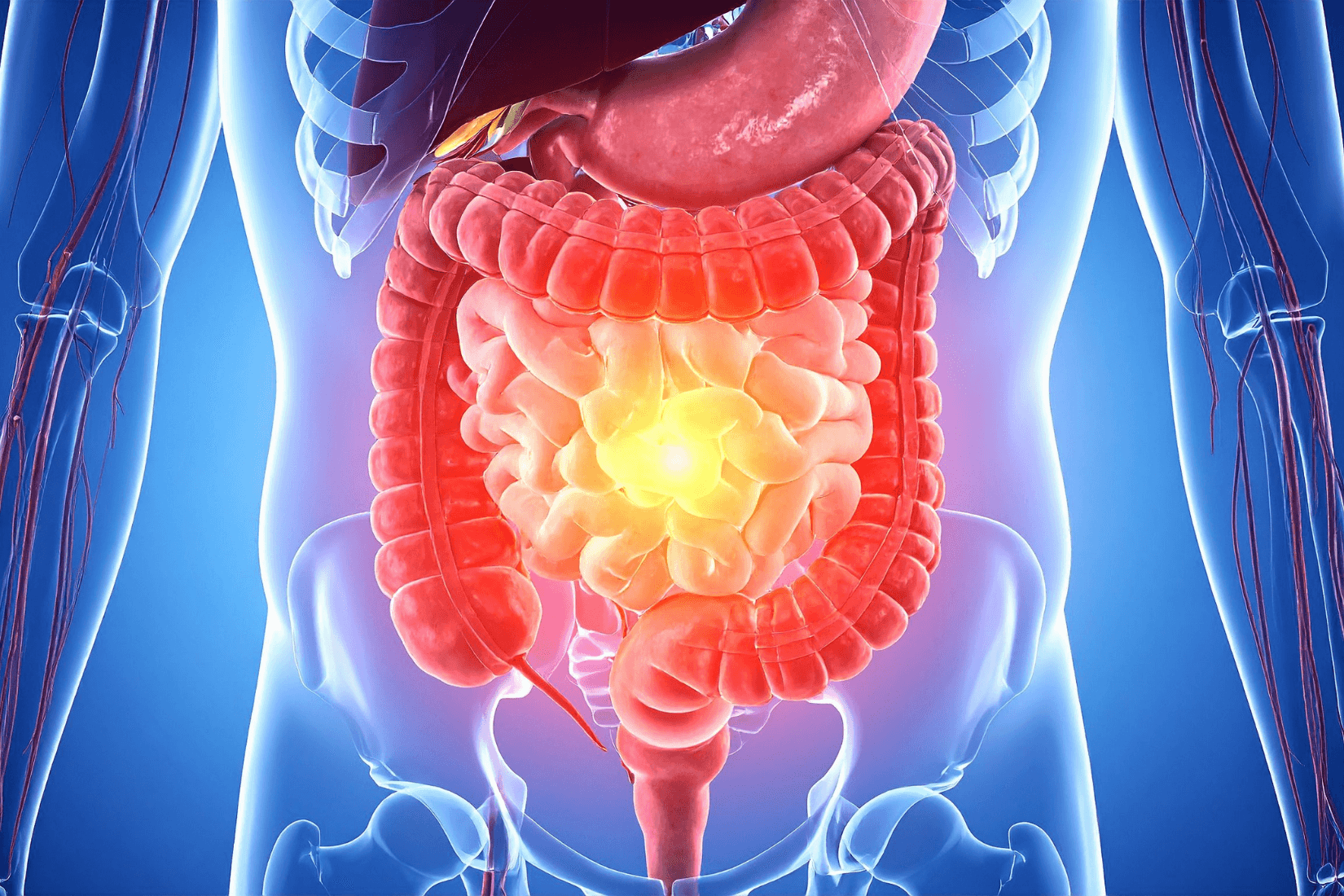
The most effective appetite suppressants today are known as GLP-1 receptor agonists. Glucagon-like peptide-1 is a hormone naturally produced in your gut after you eat. It signals to your brain that you are full and satisfied.
By using a synthetic version of this hormone, appetite suppressants extend that feeling of fullness. This biological "nudge" makes it significantly easier to lose weight because the constant urge to snack is reduced. GLP-1 medications also slow down gastric emptying, meaning food stays in your stomach longer.
Blood Sugar Regulation
Managing glucose is a critical part of the weight loss process. When blood sugar levels spike and crash, the body triggers intense hunger signals to find quick energy. Appetite suppressants help stabilise these levels by stimulating insulin secretion only when blood sugar is high.
This steady state prevents the "hangry" feelings that often derail diets. When insulin and glucagon work in harmony, the body can more easily access stored fat for fuel. This hormonal balance is a primary reason why patients find it easier to lose weight on these protocols.
Rewiring the Reward System
Hunger isn't just physical; it is often neurological. Many appetite suppressants influence the dopamine pathways in the brain related to food rewards. By reducing the "quieting" of food noise, these treatments help break the cycle of emotional eating.
When the brain no longer views high-calorie foods as a primary reward, weight loss becomes more sustainable. Users often report that they can finally make logical food choices rather than being driven by impulsive cravings. This shift in brain chemistry is a hallmark of how modern appetite suppressants operate.
Metabolic Support
While the primary goal is to reduce intake, some medications also support metabolic health. By improving how the body processes fats and sugars, GLP-1 therapies create a better internal environment for fat loss.
However, it is important to remember that appetite suppressants work best when paired with lifestyle changes. While the medication handles the hunger signals, the user provides the quality nutrition needed to lose weight safely. This synergy ensures that the weight loss comes from fat stores rather than muscle tissue.
Long-Term Weight Management
Consistency is the most important factor in any health journey. Appetite suppressants provide a window of opportunity to build new, healthier habits without the constant interference of hunger.
As the body becomes accustomed to smaller portions and better food choices, the path to lose weight becomes clearer. Whether using a GLP-1 or another form of treatment, the goal is always to create a manageable caloric deficit. Understanding these mechanisms allows patients to use appetite suppressants as a bridge to a healthier lifestyle.
Considering starting or switching weight loss treatment? Talk to pharmacists at The Chemist Live to find out more information and book your consultation. Just complete your health assessment here for an instant eligibility check.